
Quick answer
The Intracoastal Waterway runs through both cities as a continuous channel, but Fort Lauderdale's stretch is defined by mega-yacht marinas, canal-front estates, and a navigable downtown core, while Miami's segment passes through Biscayne Bay's open water, high-rise condo towers, and the celebrity island enclaves of Star Island and Fisher Island. Fort Lauderdale feels intimate and boating-centric; Miami feels expansive and metropolitan.
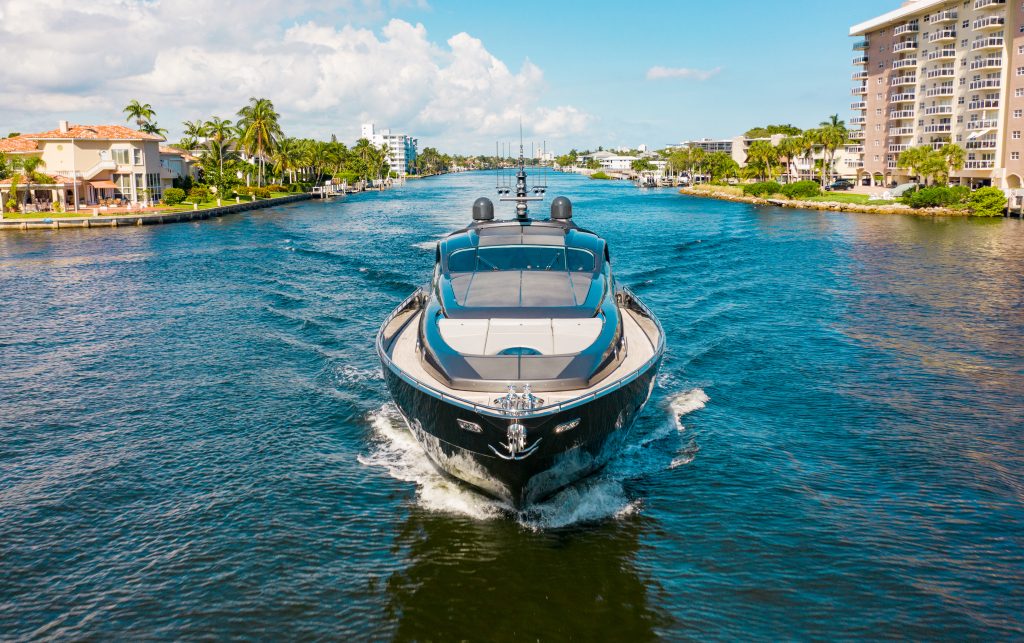
Fort Lauderdale earned the nickname "Venice of America" not through marketing but through infrastructure—the city was platted around 165 miles of navigable canals in the early 20th century, and the Intracoastal became the spine of a residential boating culture. Mansions line Las Olas Boulevard's canals, and the New River feeds directly into downtown, creating a boat-accessible urban core that Miami lacks. The waterway here is narrow, tree-canopied in stretches, and punctuated by low-clearance bridges that define the rhythm of yacht traffic. Miami's Intracoastal segment behaves differently. South of the county line, the waterway opens into Biscayne Bay, a shallow estuary where the channel markers guide vessels past man-made islands rather than through residential canals. The backdrop shifts from single-family docks to glass condominium towers—Brickell, Edgewater, and the Venetian Causeway islands create a skyline-driven panorama. Star Island and Fisher Island sit within the bay itself, gated and visible only from the water, while Fort Lauderdale's wealth hides behind hedges along inland canals. The difference between Fort Lauderdale and Miami waterways is as much about width and exposure as it is about urban density. Boaters notice the shift immediately. Fort Lauderdale's stretch is a no-wake zone through much of the residential core, with fuel docks, marine services, and yacht brokerages lining the route. Miami's bay segment allows higher speeds, deeper draft, and less frequent bridge stops—it is a transit corridor as much as a cruising lane. The architectural language changes too: Fort Lauderdale favors Mediterranean Revival and contemporary estates set back from seawalls, while Miami's waterfront is defined by modernist high-rises and the angular geometry of Zaha Hadid's One Thousand Museum visible from the water. Both cities offer public access points to the Intracoastal, but the experience of being on the water differs. Fort Lauderdale's waterway feels like a boating neighborhood; Miami's feels like a stage. The Florida East Coast Railway parallels both stretches, a reminder that this entire corridor was engineered for movement—first by rail, then by water, now by tourists trying to decode the difference between fort lauderdale and miami from the deck of a tour boat.
“Fort Lauderdale's waterway feels like a boating neighborhood; Miami's feels like a stage.”
Difference Between Fort Lauderdale and Miami: Key Visitor Considerations
Choosing between Fort Lauderdale and Miami depends on whether a traveler prefers a relaxed maritime experience or a fast-paced urban environment. Both locations provide access to the Intracoastal Waterway but offer distinct experiences for boaters and sightseers.
| Option Character |
Top pick Fort Lauderdale Yachting Capital |
Miami Metropolitan Hub | |
|---|---|---|---|
| Atmosphere | Boating-centric and suburban | Urban and dense | — |
| Primary Vibe | Relaxed leisure | High-energy nightlife | — |
| Waterway Access | Extensive residential canal systems | Commercial harbor and bay areas | — |
| Ideal Traveler | Families and boating enthusiasts | Social seekers and culture enthusiasts | — |
| Pace of Life | Moderate and steady | Fast and intense | — |
Verdict: Select Fort Lauderdale for a focused boating and leisure experience, or choose Miami if you prioritize metropolitan amenities and high-energy social activity.
Optimal Timing: The Difference Between Fort Lauderdale and Miami Sightseeing
The best arrival window is 09:00–17:00, which provides optimal daylight for sightseeing and viewing boat traffic along the Intracoastal Waterway. Choosing this timeframe allows for clearer visibility of the distinct coastal character found in both Fort Lauderdale and Miami.
December to April
Peak tourist seasonMild and dry, 65°F to 78°F
Expect heavier boat traffic and increased activity on the waterways throughout these months.
May to September
Moderate crowdsWarm and humid, 75°F to 89°F
This period includes the summer season where afternoon thunderstorms are frequent but brief.
October and November
Lower densityPleasant, 70°F to 82°F
The weather stabilizes as the peak season begins to approach, offering a balance of comfort and visibility.
Verdict: Plan your visit between 09:00–17:00 during April or November for the most consistent weather and manageable water traffic.
Exploring the Intracoastal Waterway and the Difference Between Fort Lauderdale and Miami
The Intracoastal Waterway serves as a continuous scenic corridor, linking the distinct maritime atmospheres of Fort Lauderdale and Miami. Exploring the landmarks along this route allows visitors to appreciate the shift from Fort Lauderdale's residential yachting canals to Miami's dense, urban waterfront.
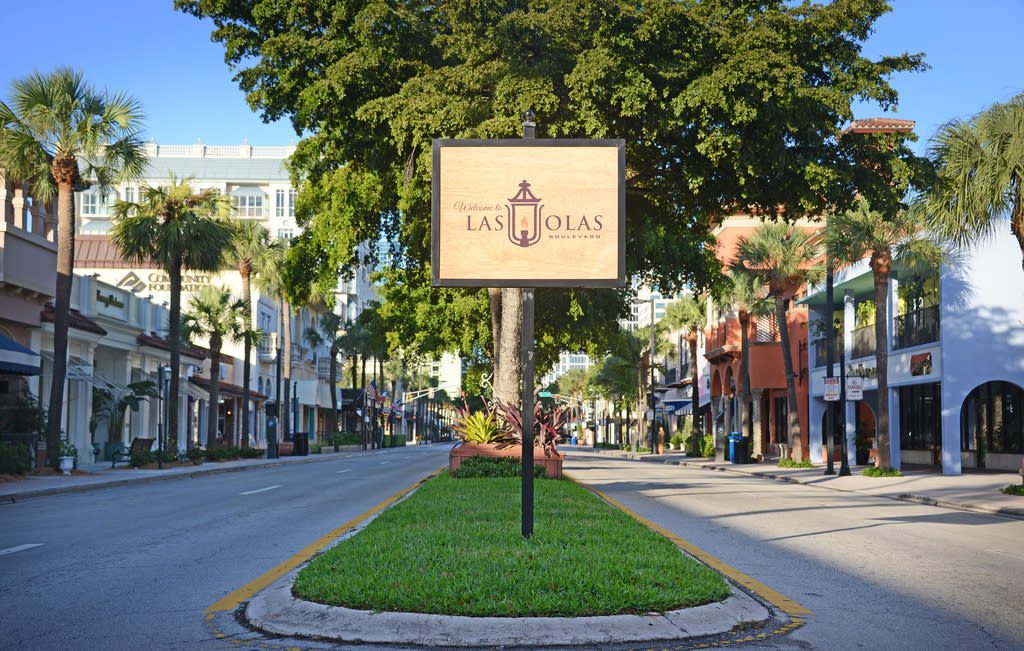
Las Olas Boulevard
Located near the Fort Lauderdale portion of the waterway, this area provides a hub of dining and shopping that complements a day spent on the water.
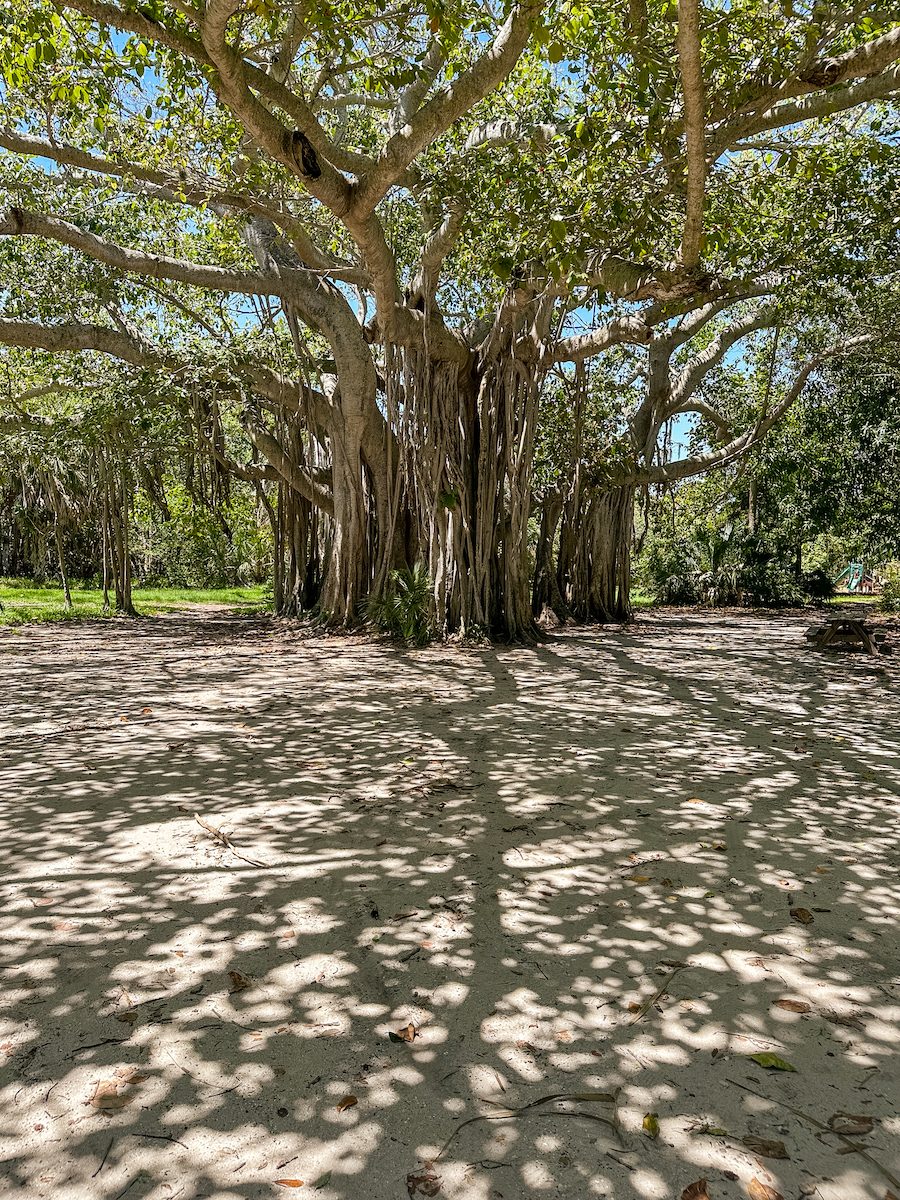
Hugh Taylor Birch State Park
This park offers a natural contrast to the developed Intracoastal edge, providing trails and lagoon access between the waterway and the ocean.
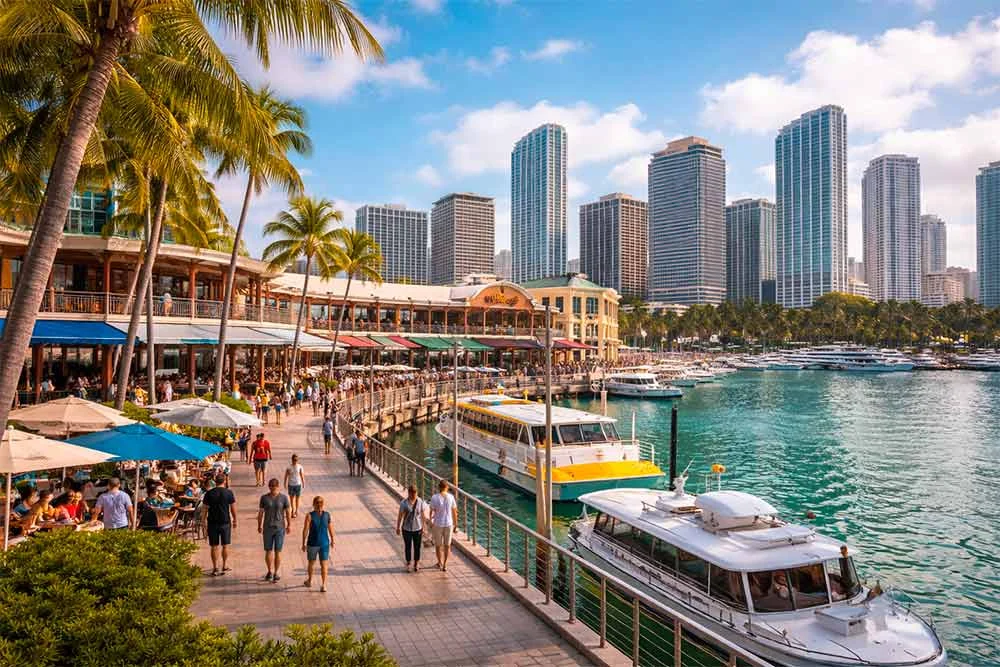
Bayside Marketplace
Situated along the Miami segment of the Intracoastal, this waterfront center provides a clear view of the city's port and skyline activity.
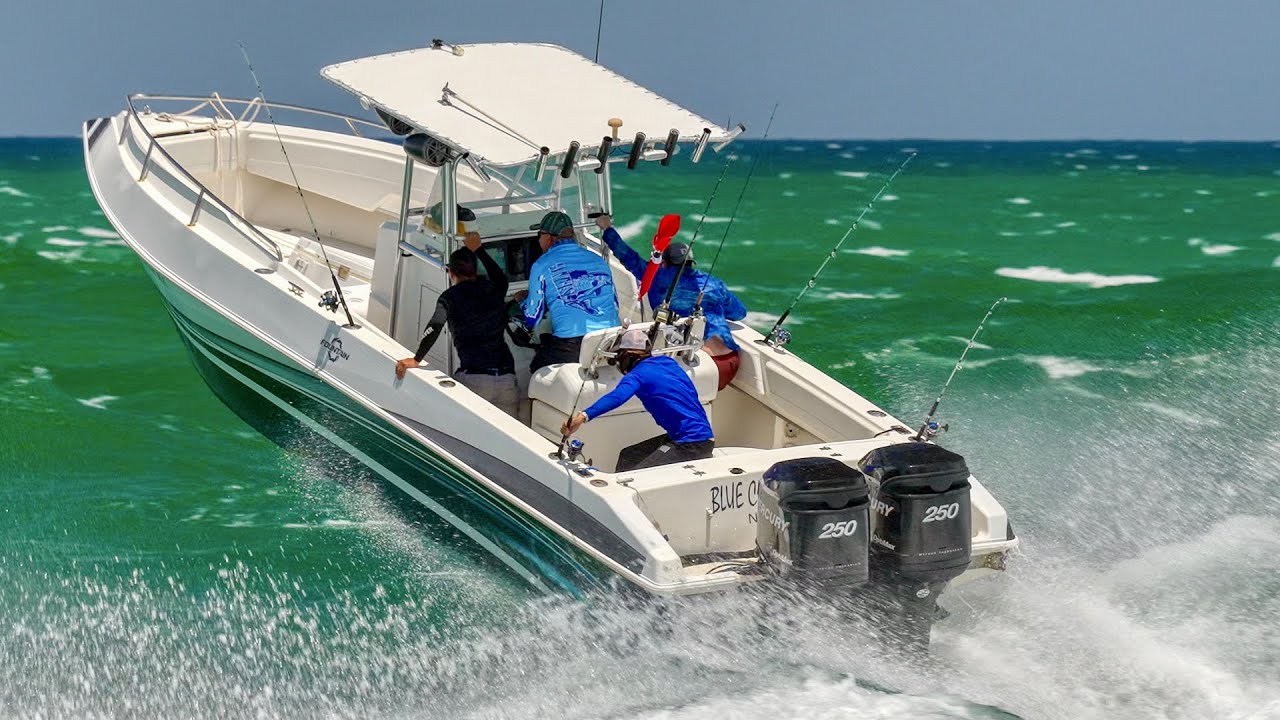
Haulover Park
Positioned between the two cities, this site offers a vantage point of the waterway's connection to the Atlantic Ocean via the Haulover Inlet.
Check availability
Frequently Asked Questions: Fort Lauderdale vs. Miami Waterways
Everything you need to know about difference between fort lauderdale and miami